Safety Practices In Laboratory
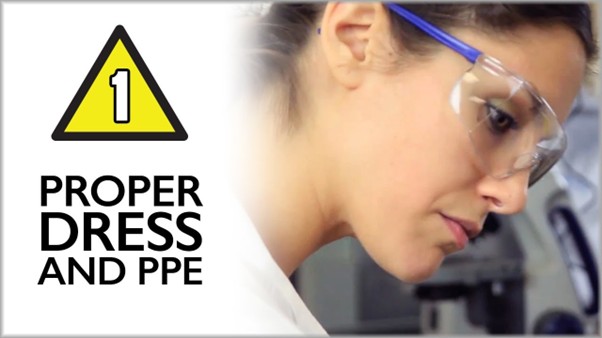
Laboratory safety is critical in ensuring the well-being of students, researchers, and professionals in scientific environments. Our training program focuses on teaching students key safety practices essential for working in labs, especially in fields like chemistry, pharmaceuticals.
1. Personal Safety
Objective:
To ensure that students understand the importance of personal protection when working in the laboratory, reducing the risk of accidents and exposure to hazardous substances.
Key Elements of Training:
• Protective Clothing: Students are taught to wear appropriate personal protective equipment (PPE) such as lab coats, gloves, safety goggles, and face shields.
• Proper Hygiene Practices: Emphasis is placed on hand washing, avoiding facial contact, and maintaining a clean work environment.
• Safe Handling of Chemicals: Techniques for safe handling, transferring, and disposing of hazardous materials are covered.
• First-Aid Procedures: Basic first-aid skills, including how to respond to common injuries like burns, cuts, or chemical splashes, are also included.
2. Chemical Safety
Objective:
To train students on the safe handling, storage, and disposal of chemicals to prevent exposure to harmful substances and reduce the risk of accidents.
Key Elements of Training:
• Labeling and Identification: Students learn how to read and understand chemical labels, Material safety data sheets (MSDS), and hazard symbols.
• Proper Storage Techniques: Guidance is provided on storing chemicals according to their classification, including flammable, corrosive, and reactive substances.
• Spill Containment and Clean-Up: Training includes best practices for containing and cleaning chemical spills using proper equipment, and understanding the emergency protocols.
• Safe Handling Procedures: Emphasis is placed on the use of fume hoods, proper ventilation, and avoiding chemical contact with skin, eyes, or inhalation.
3. Equipment Safety
Objective:
To ensure students understand how to operate laboratory equipment safely and effectively, preventing accidents and maximizing efficiency.
Key Elements of Training:
• Operating Procedures: Students are trained on how to use common lab equipment such as Rota-evaporator, vacuum pump, glassware.
• Preventing Malfunctions: Proper handling techniques to avoid damage to equipment and ensure longevity.
• Maintenance and Calibration: Importance of maintaining and calibrating equipment regularly to ensure accuracy and safety.
• Electrical Safety: Training on the safe use of electrical equipment, including proper grounding and avoiding electrical hazards.
4. Emergency Preparedness
Objective:
To prepare students for quick and effective action in case of laboratory emergencies, ensuring a safe environment for all individuals.
Key Elements of Training:
• Fire Safety: Students learn about fire extinguishers, fire blankets, and emergency exits. They are also trained in evacuation procedures and how to respond to chemical fires.
• Chemical Exposure: Protocols for dealing with chemical burns, inhalation, or ingestion incidents are covered, along with the use of eyewash stations and safety showers.
• Emergency Contacts: Training includes familiarizing students with emergency contact numbers and first responders, ensuring they know who to call in case of serious accidents.
• This comprehensive training program equips participants with essential laboratory, synthesis, and analytical skills required for careers in pharmaceutical and chemical research.